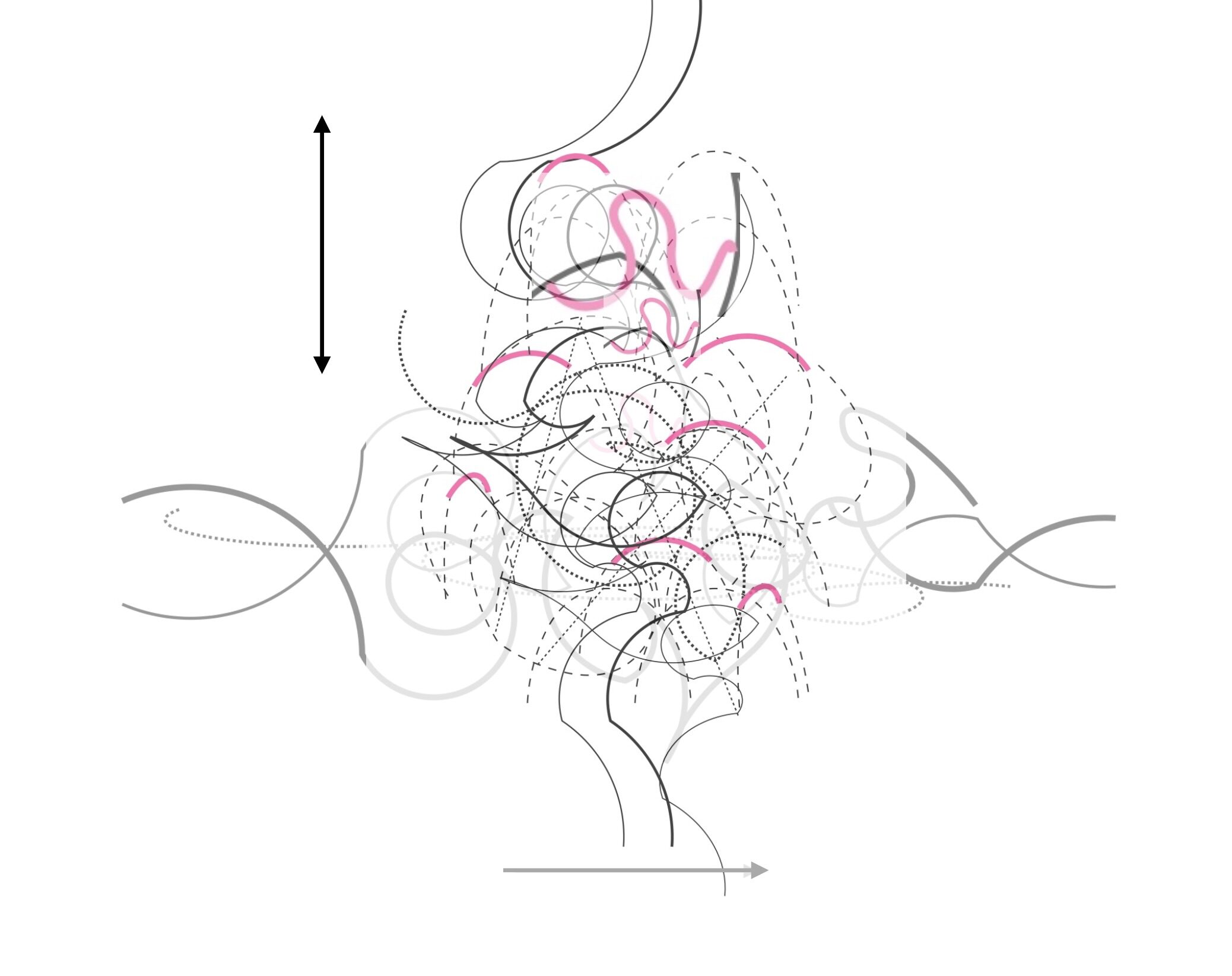
I should like to briefly suggest an inverse parallel here.
In Malraux, the proximity of death makes the world present itself anew with a strange intensity: a world that is not merely a biographical backdrop, but an irreducible exteriority that moves and exceeds the subject who experiences it. In Blanchot, by contrast, death calls into question the very possibility of there being a subject who experiences it and can appropriate it as their own experience.
Thus, in Malraux, Lazarus returns to life, but the life to which he returns exceeds the subject who returns. It is not so much his own life as the living exteriority of which he himself is part, without being able to reduce it to himself. In Blanchot, conversely, Lazarus calls into question the very possibility of returning to life as a subject, by making death that which cannot be experienced as one’s own and from which, therefore, one cannot fully return to oneself.
In Malraux, then, the excess of life; in Blanchot, instead, the impossibility of appropriating death: both, though, call into question the absoluteness of the subject.
Now, might it be possible to represent the difference between these two perspectives in musical terms, as a difference between a major and a minor key, respectively?
In any case, I wonder whether in Blanchot—where the minor key certainly prevails—small but precious elements of a major key might nevertheless be said to filter through… Likewise, in Malraux, death is, of course, also inappropriable: note how Malraux evokes Nefertari’s fresco, where she plays senet against an invisible opponent whose presence is indirectly registered by the pieces on the board.
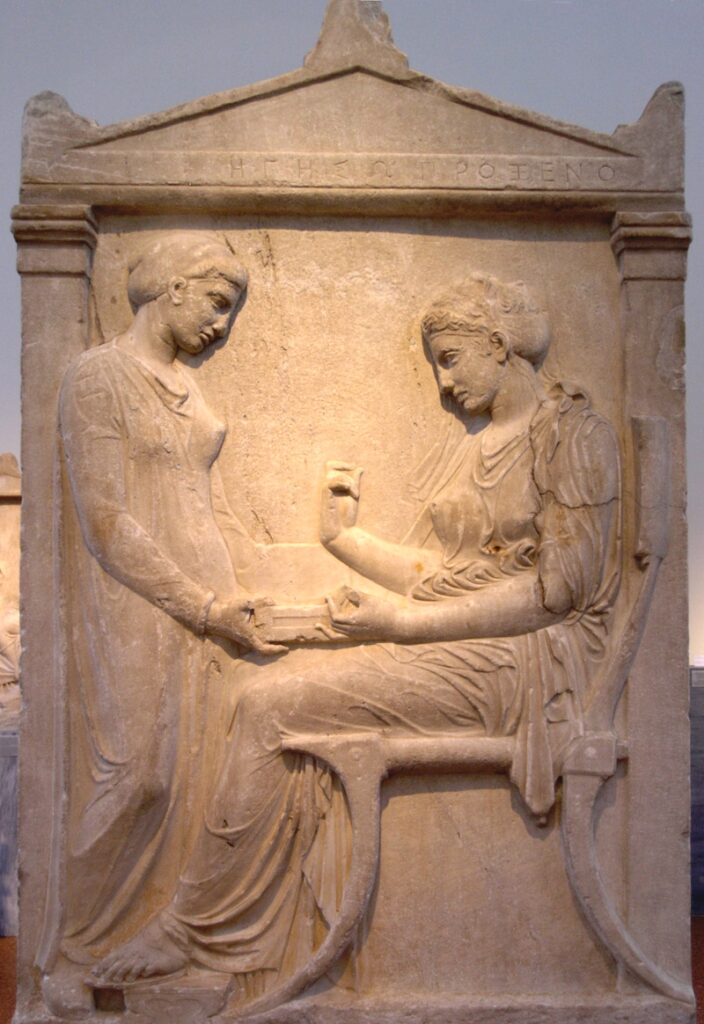
Grave Stele of Hegeso. Marble. National Archaeological Museum, Athens, Greece
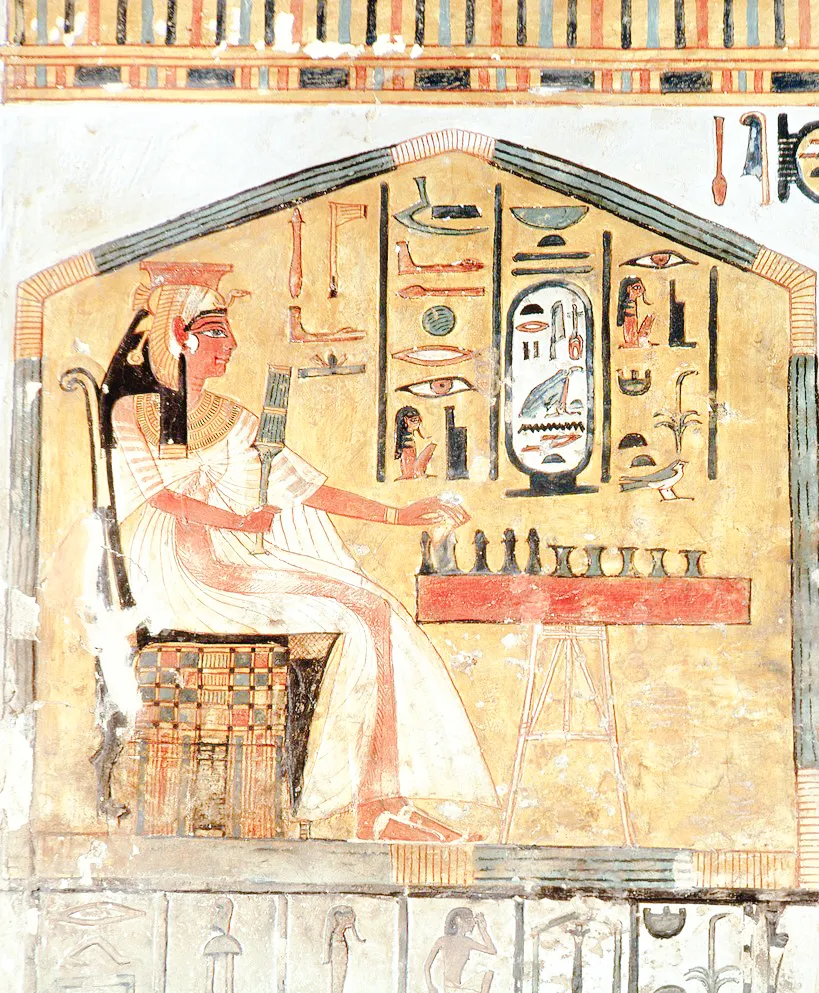
Fresco from the Tomb of Nefertari, Valley of the Queens, Thebes (Luxor), Egypt